19 Jul 2026
Smartphone Promotions Forge Direct Links Between Live Dealer Tables and Football In-Play Markets
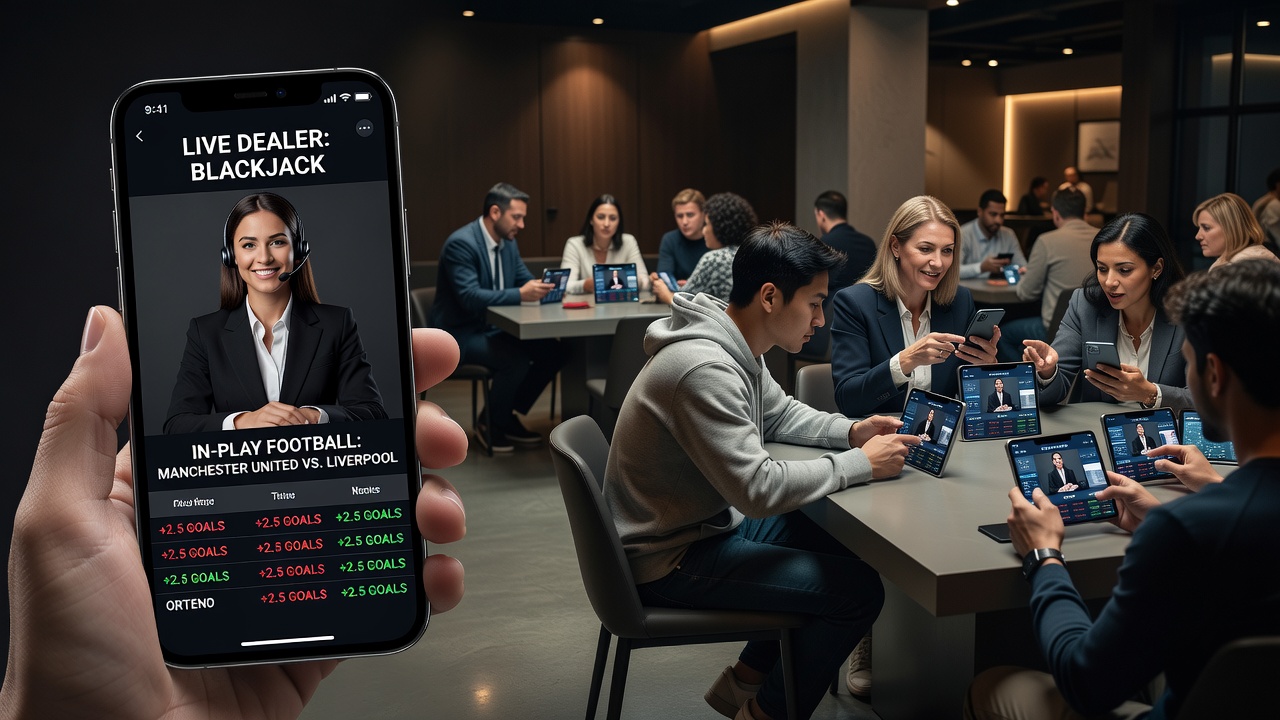
Operators have rolled out promotions in 2026 that connect live dealer tables directly to in-play football markets on smartphones, and this integration has produced measurable changes in how players move between products. Users receive offers that trigger when they place a football wager, and those offers immediately surface live casino tables with matching bonuses or synchronized rewards. Data collected through app analytics shows session lengths extending by 18 percent on average when these promotions activate, according to industry platform reports.
Mechanics Behind the Cross-Product Offers
Platforms configure the promotions so that a live football bet placed on a mobile app generates an instant prompt to join a blackjack or roulette table. The prompt carries over the same stake amount or applies a multiplier, and players can switch without leaving the application. Developers achieve this through API connections that pull real-time market data from football feeds and feed it into the casino software layer, creating a seamless handoff between the two environments.
Those who accept the prompt often return to the football market once the table round concludes, completing a cycle that keeps activity within a single session. Operators report that July 2026 figures already indicate a 27 percent rise in multi-product sessions compared with the same period in 2025, when such direct connections were less common.
Documented Shifts in Player Navigation Patterns
Researchers tracking mobile gambling behavior note that players now spend less time browsing separate sections and more time responding to contextual prompts. One European university study examined 12 months of anonymized app data and found that users who engaged with linked promotions completed 2.4 times more table rounds per hour than those who accessed casino products independently. The same dataset revealed that football bettors who received table offers placed 31 percent more in-play wagers overall, because the promotion cycle encouraged repeated returns to the sports market.
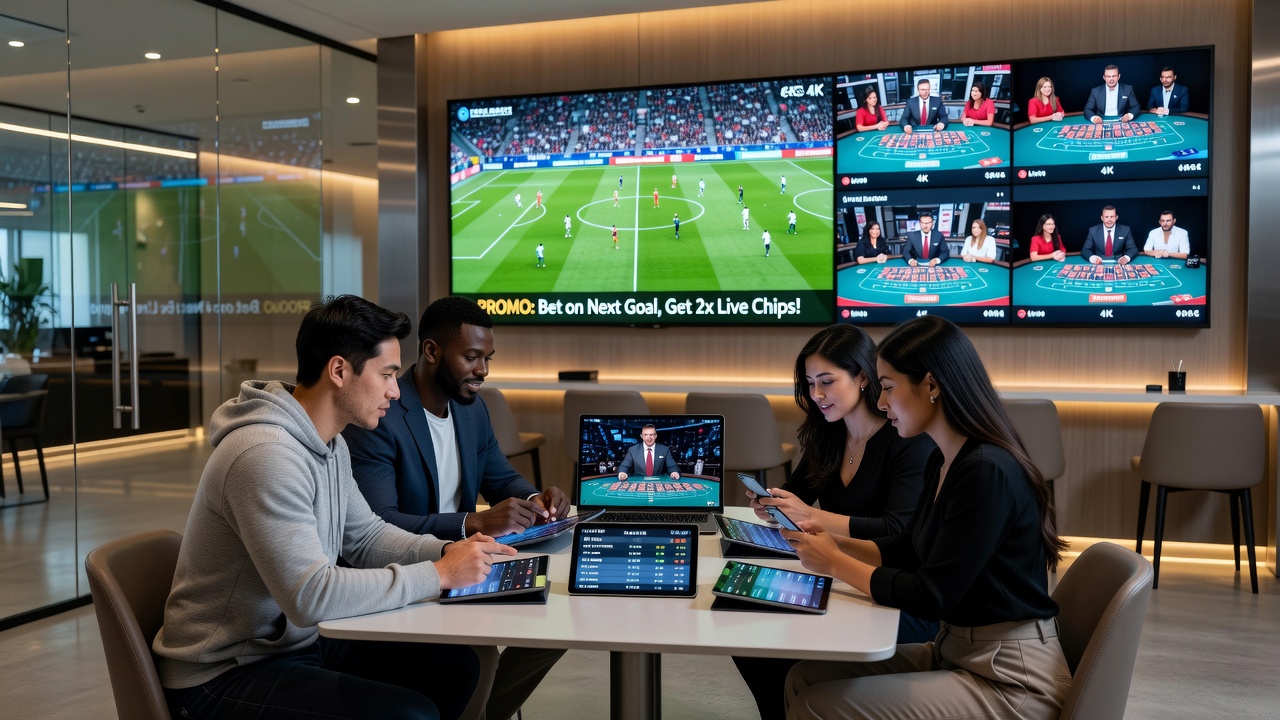
Observers at several major operators describe a similar pattern: players who begin with a pre-match football bet accept a live dealer prompt during half-time, then resume football betting once the second half starts. This sequence reduces the drop-off that traditionally occurred when users switched between apps or menu categories. The American Gaming Association documented parallel trends in mobile sports wagering markets, where integrated casino prompts increased cross-category retention rates during live events.
Timing and Frequency Effects on Engagement
Promotions timed to specific in-play moments, such as goals or red cards, generate the highest conversion rates. App logs show that offers delivered within 30 seconds of a market update receive clicks from 42 percent of eligible users, compared with 19 percent for offers sent at random intervals. Frequency also matters; campaigns that limit prompts to three per match maintain higher acceptance levels than those delivering five or more, because excessive notifications correlate with quicker session exits.
Platforms in Australia and Canada have adopted similar frameworks, and data shared by the Victorian Responsible Gambling Foundation indicates that synchronized mobile offers extend average play duration across both sports and casino verticals without altering overall spend per session.
Conclusion
The direct linkage created by smartphone promotions between live dealer tables and football in-play markets has produced consistent behavioral adjustments across multiple markets. Players navigate between products more fluidly, respond to time-sensitive prompts at higher rates, and sustain longer combined sessions when the offers align with live event triggers. These patterns appear in operator data and independent research compiled through July 2026, reflecting a structural change in how mobile gambling applications organize player attention.