Evoke's Major Retail Shake-Up: 200 William Hill Betting Shops Slated for Closure from May 2026
1 Apr 2026
Evoke's Major Retail Shake-Up: 200 William Hill Betting Shops Slated for Closure from May 2026

British betting firm Evoke, the owner of the iconic William Hill brand, announced plans late March 2026 to close around 200 betting shops across the UK starting from May; this decision, first reported by Bloomberg News and picked up by Reuters, comes amid mounting operational costs and steeper taxes rolled out in the government's previous autumn budget, forcing a hard look at the retail footprint.
The Company Behind the Move: Evoke and William Hill's Retail Legacy
Evoke plc, listed on the London Stock Exchange, took control of William Hill's extensive UK retail network back in 2022 after acquiring the non-US assets from Caesars Entertainment; William Hill, founded over 80 years ago, once boasted thousands of shops nationwide, becoming a staple on high streets from London to Liverpool, where punters placed bets on horses, football, and more. Now, with online wagering surging, physical locations face tougher scrutiny; those who've tracked the sector note how Evoke has already trimmed shops in prior years, shedding over 100 since the acquisition, yet this latest wave targets a significant chunk, roughly 15-20% of the current 1,000-plus estate according to industry estimates tied to recent filings.
What's interesting is the timing; as April 2026 unfolds, whispers in the trade suggest site assessments ramp up, with Evoke prioritizing spots boasting high footfall and prime positioning, a strategy that echoes moves by peers navigating similar squeezes. Reports highlight how the firm views this not as a retreat, but a sharpening of focus on sustainable retail hubs while bolstering digital arms like William Hill's app and site, where bets flow faster and costs stay leaner.
Pinpointing the Pressures: Rising Costs and Tax Hits
Operational expenses have climbed steadily, driven by everything from higher energy bills and wages to maintenance on aging storefronts; add in the autumn budget's tax hikes—specifically steeper duties on fixed-odds betting terminals (FOBTs) and remote gaming—and the math no longer adds up for underperforming sites, data from company statements reveal. Evoke executives pointed directly to these intensified cost pressures during the announcement, underscoring how regulatory shifts amplify the burden, making closures a pragmatic response rather than a panic button.
Take the tax angle; the government's levy adjustments, aimed at curbing gambling's societal footprint, bumped up remote gaming duty rates while tweaking shop-based taxes, figures from HM Treasury announcements confirm, and that's where the rubber meets the road for firms like Evoke, whose retail ops rely on slim margins squeezed further by compliance demands. Observers who've parsed financials see this playing out in quarterly reports, where shop profitability dipped even as online revenues climbed 10-15% year-over-year in recent periods.
Government Crackdown Sets the Stage
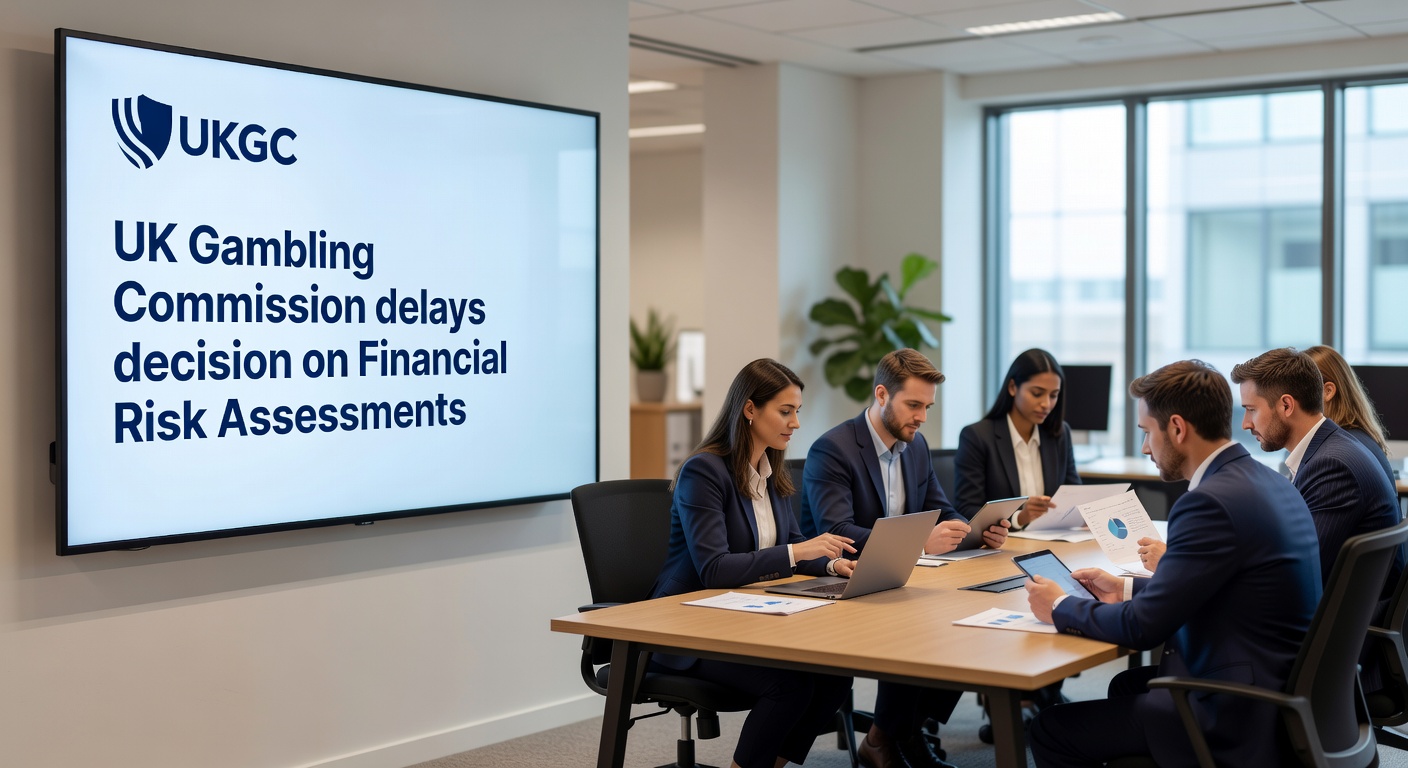
This isn't happening in a vacuum; a broader government push against gambling excesses has reshaped the landscape over the past few years, with measures like stake limits on FOBTs back in 2019 evolving into today's fiscal and regulatory vise, reports indicate. Evoke's statement explicitly ties the closures to this crackdown, which forces operators to rethink high-street reliance; the firm plans to invest savings back into its "core retail estate with optimal locations," preserving high-potential shops while axing those in weaker spots, a pivot that aligns with Whitehall's dual goals of protecting punters and reining in industry growth.
And here's the thing: while closures kick off in May 2026, preparations span April onward, with staff consultations mandated under UK employment law, ensuring a structured wind-down; those familiar with past rounds, like Ladbrokes' shop rationalizations, know this often means redeploying workers to stronger branches or online support roles, softening the immediate sting even as jobs tally around 1,000-1,500 at risk based on average staffing per site.
Strategic Focus: Prioritizing the Strong and Shedding the Weak
Evoke's playbook emphasizes resilience; by closing 200 shops, the company aims to channel resources into top-tier venues—think bustling city centers or near racecourses—where customer dwell time and spend per visit justify the overhead, company insiders relayed via Bloomberg. This selective approach mirrors tactics from down under, where Australia's Interactive Gambling Authority has overseen similar retail contractions amid online booms, though UK dynamics add unique tax layers.
Turns out, the UK betting scene grapples with this shift constantly; physical shops, once the heartbeat of wagering, now compete with apps offering instant odds on Premier League matches or Cheltenham jumps, pulling younger crowds away from the till. Evoke's move reflects that reality, with closures phased to minimize disruption, starting small in May 2026 and scaling through the year, allowing time for customers to migrate seamlessly to nearby survivors or digital platforms.
Industry Echoes and Ongoing Challenges
The UK betting world knows these pressures all too well; peers like Entain and Flutter have shuttered hundreds of shops since 2020, citing parallel woes—rents spiking post-pandemic, National Insurance hikes, and duties that eat into gross gaming revenue—yet online segments thrive, posting double-digit gains quarter after quarter. Evoke joins this chorus, its announcement underscoring how intensified regulatory changes, from affordability checks to advertising curbs, compound the strain on bricks-and-mortar models.
People who've studied the numbers often point out the irony; while total gambling gross profit nears record highs—£7 billion annually across remote and non-remote—retail's slice shrinks to under 20%, per sector trackers, making Evoke's cull a logical trim rather than a collapse. So as April 2026 brings clearer closure lists, punters in affected towns might notice signage changes, but the brand's omnipresence endures via screens and servers.
Ripple Effects on Jobs, Communities, and Customers
Job losses loom largest; with 200 sites going dark, hundreds of counter staff, managers, and cleaners face uncertainty, although unions anticipate redeployment packages drawing from Evoke's prior efforts, where 70% of affected workers transitioned internally. Communities, especially in high streets already hit by retail woes, could feel the pinch—fewer lights on after dark, less footfall—but experts observe how betting firms often backfill with pop-ups or partner kiosks, softening voids.
Customers adapt quickest; loyal William Hill regulars, versed in both over-the-counter slips and app taps, shift effortlessly, bolstered by promotions bridging old and new worlds, while the firm's optimal shops gain from concentrated loyalty. It's noteworthy that this plays out against a sports calendar packed with Euros qualifiers and county cricket, keeping bets alive regardless of venue.
Conclusion
Evoke's plan to shutter 200 William Hill betting shops from May 2026 boils down to cold economics—rising costs, budget taxes, and regulatory headwinds dictating a leaner retail map; by honing in on prime locations, the firm positions itself for longevity in a hybrid era where online dominates yet high streets hold charm for many. As April 2026 progresses, the sector watches closely, knowing this chapter, while tough, signals adaptation over defeat in the ever-evolving UK wagering game. Reports suggest more details soon, but the path ahead looks focused, pragmatic, and forward-leaning.